California: State of Nature {Part 2: Coast}
California: State of Nature, Coastal Connections


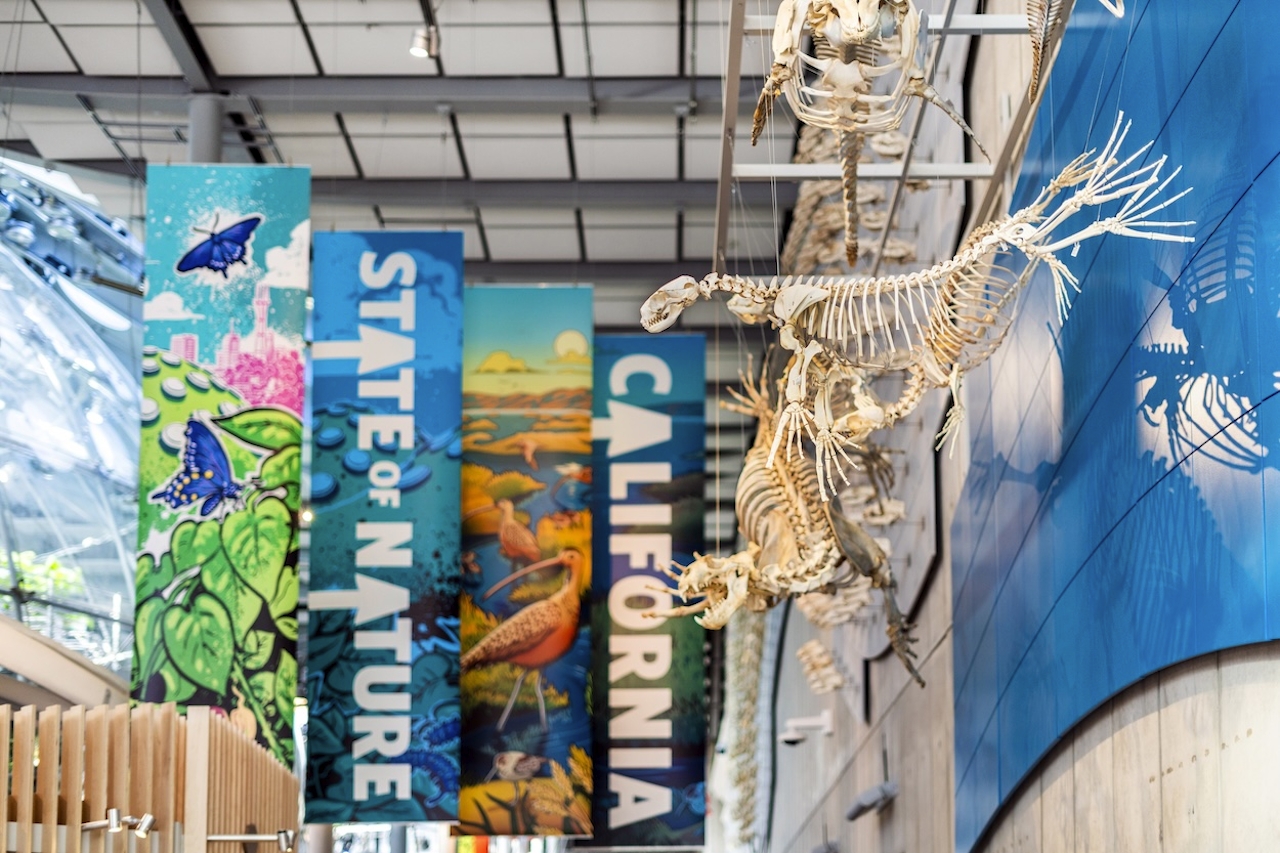
California: State of Nature is a new exhibition at the California Academy of Sciences in San Francisco’s Golden Gate Park. This world-leading aquarium, rainforest, natural history museum, planetarium, and powerful voice for biodiversity research and exploration has added a wondrous journey through four of California’s dynamic ecosystems: forests, coasts, deserts, and cities. We’re highlighting California: State of Nature and sharing ways to take what you’ve discovered and explore it more outdoors. This week, it’s all about California’s coastal connections.
Our Coastal Communities


The California coast thrives with connections between land and sea—from tidepools teeming with life to kelp forests fighting to flourish. Alongside bat rays and barnacles, seals and seabirds, humans play a key role in this watery web of life.
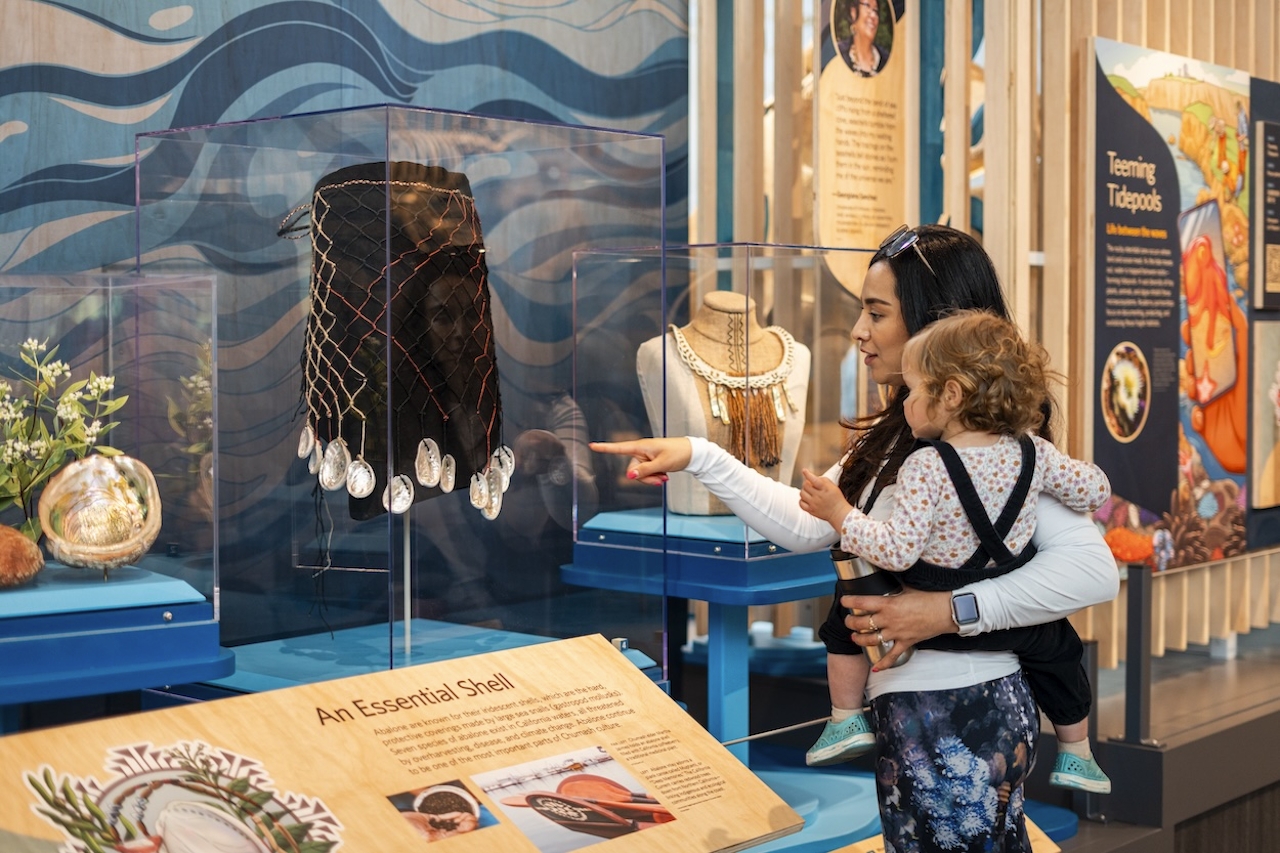
At California Academy of Sciences’s new exhibition, State of Nature, learn all about the coastal connections of the Chumash people through newly commissioned cultural objects, like a story skirt and an abalone and dogbane necklace by artist Tima Link.
See the New Exhibit, California: State of Nature
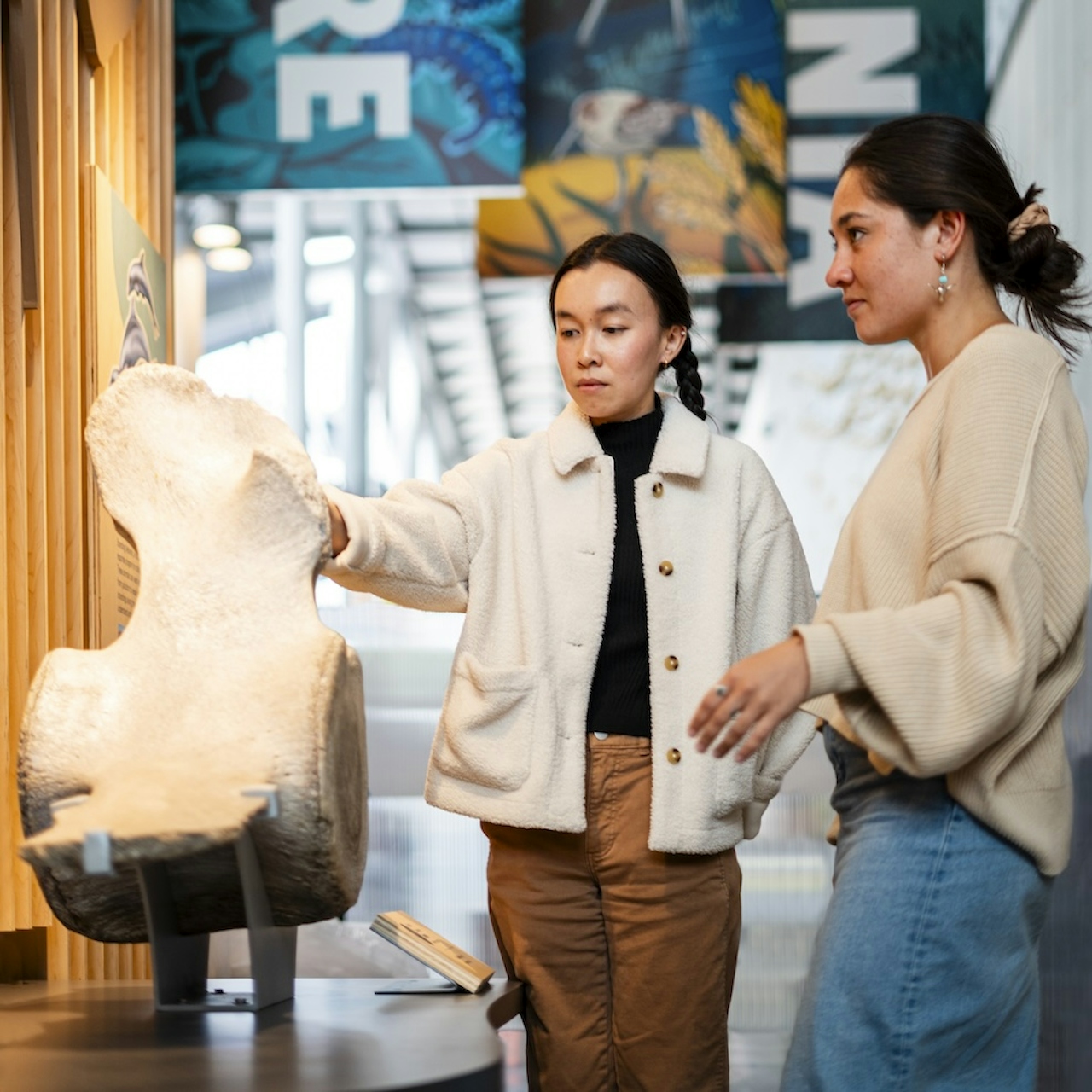
Look up at a real 100-foot-long skeleton of a blue whale (you can touch a vertebra!) and find out how the Academy and its conservation partners are researching and supporting wild whale populations.
Now Take It Outside!
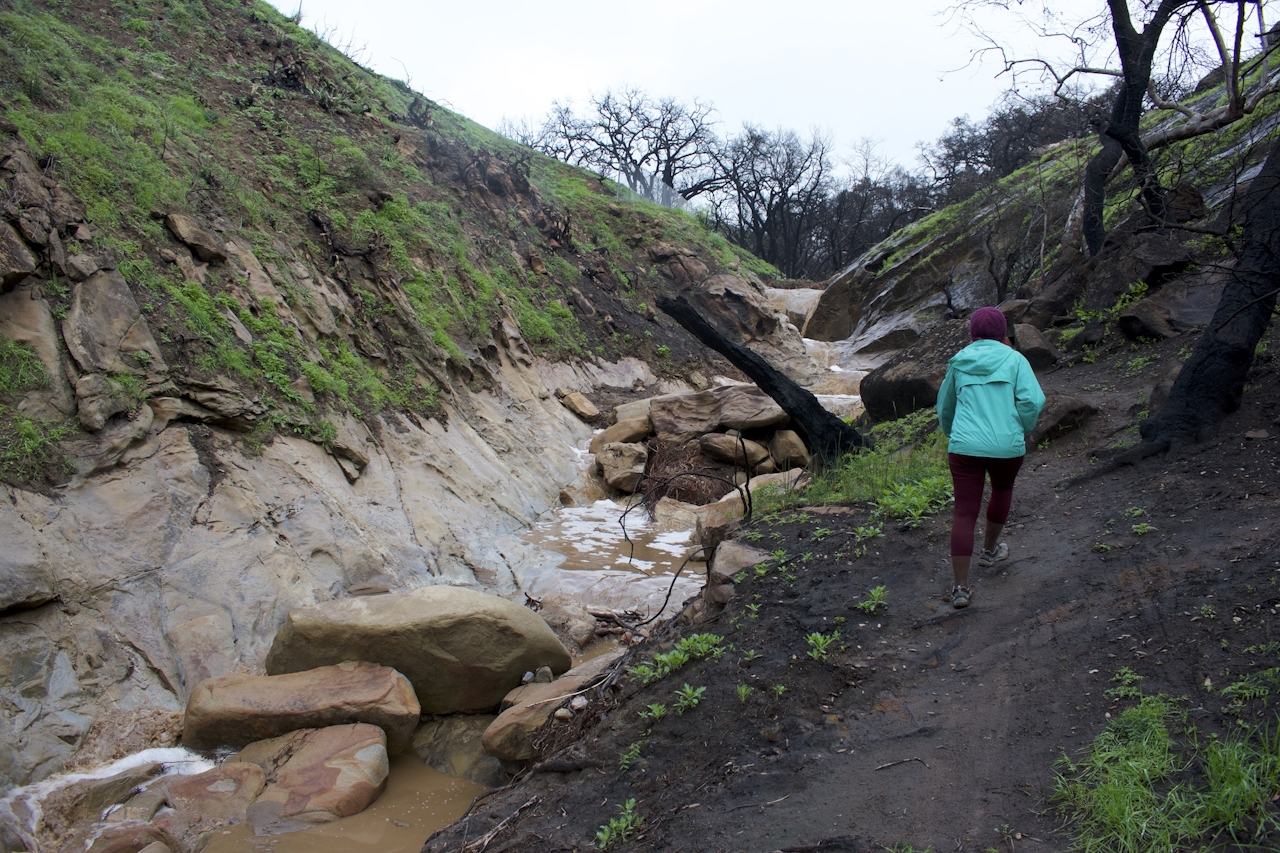
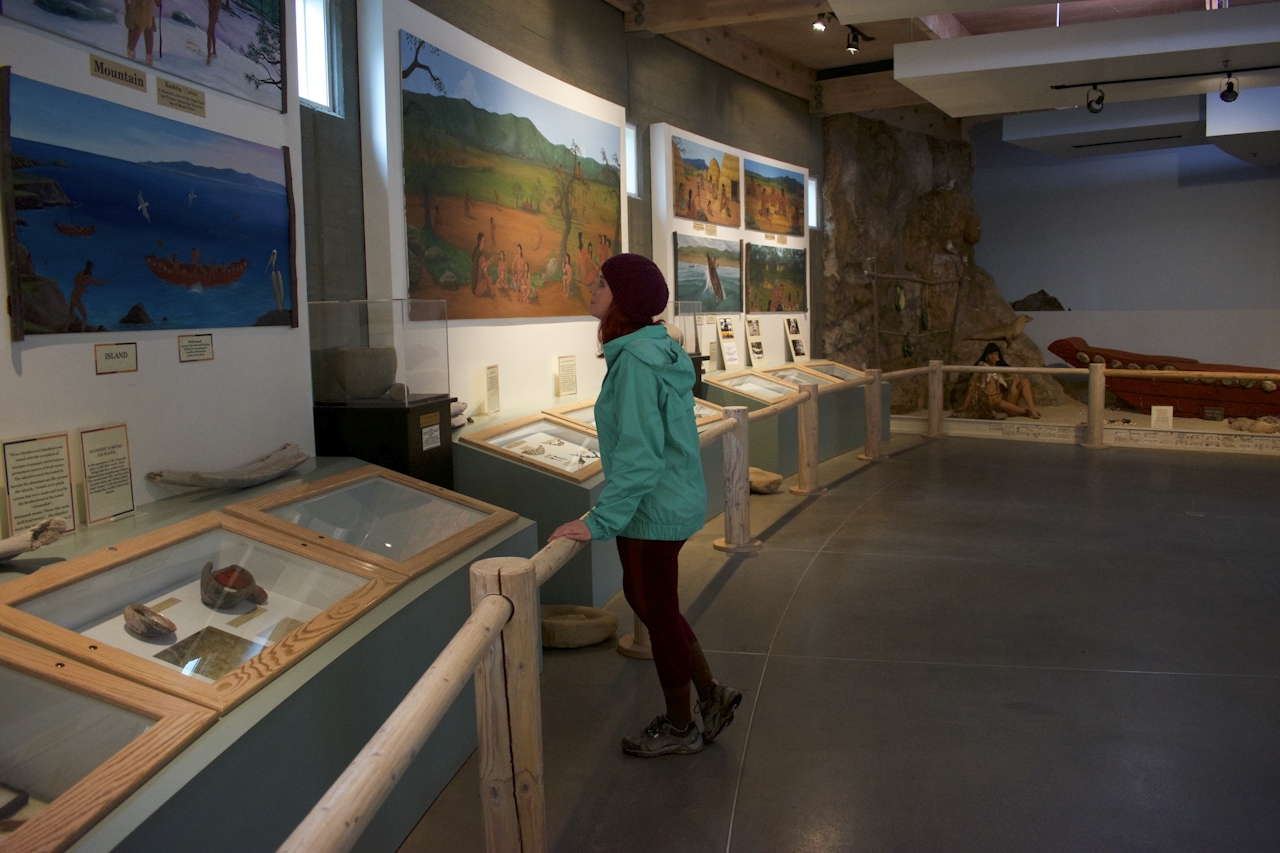
A hike near the Chumash Indian Museum in Southern California’s Oakbrook Regional Park is truly a step back in time. You walk through a garden of native plants and into classic California landscape—rolling oak woodlands watered by the gentle flow of Conejo Creek. Built on the site of an old Chumash village called Sap’wi (“house of the deer”), this cultural museum in Thousand Oaks preserves the heritage and influence of the people who were the largest tribal group in Southern California when the Spanish first arrived.
Behind the museum, a 25-acre nature preserve includes a garden dedicated to native California plants. From there, you can follow an out-and-back trail (1.5 miles round-trip) through groves of old oak trees, some of which date back 300 years. The trail parallels Conejo Creek and passes through areas damaged during the 2018 Woolsey fire. The area surrounding the trail was designated an archaeological site in 1971 after several caves containing pictographs were discovered. Along the way you’ll see remnants of the old Lang Ranch, as well as a reconstructed Chumash village. It’s a flat and easy walk, providing an opportunity to contemplate the rich history of the land and its people, while listening to the peaceful sounds of Conejo Creek.
See the New Exhibit, California: State of Nature
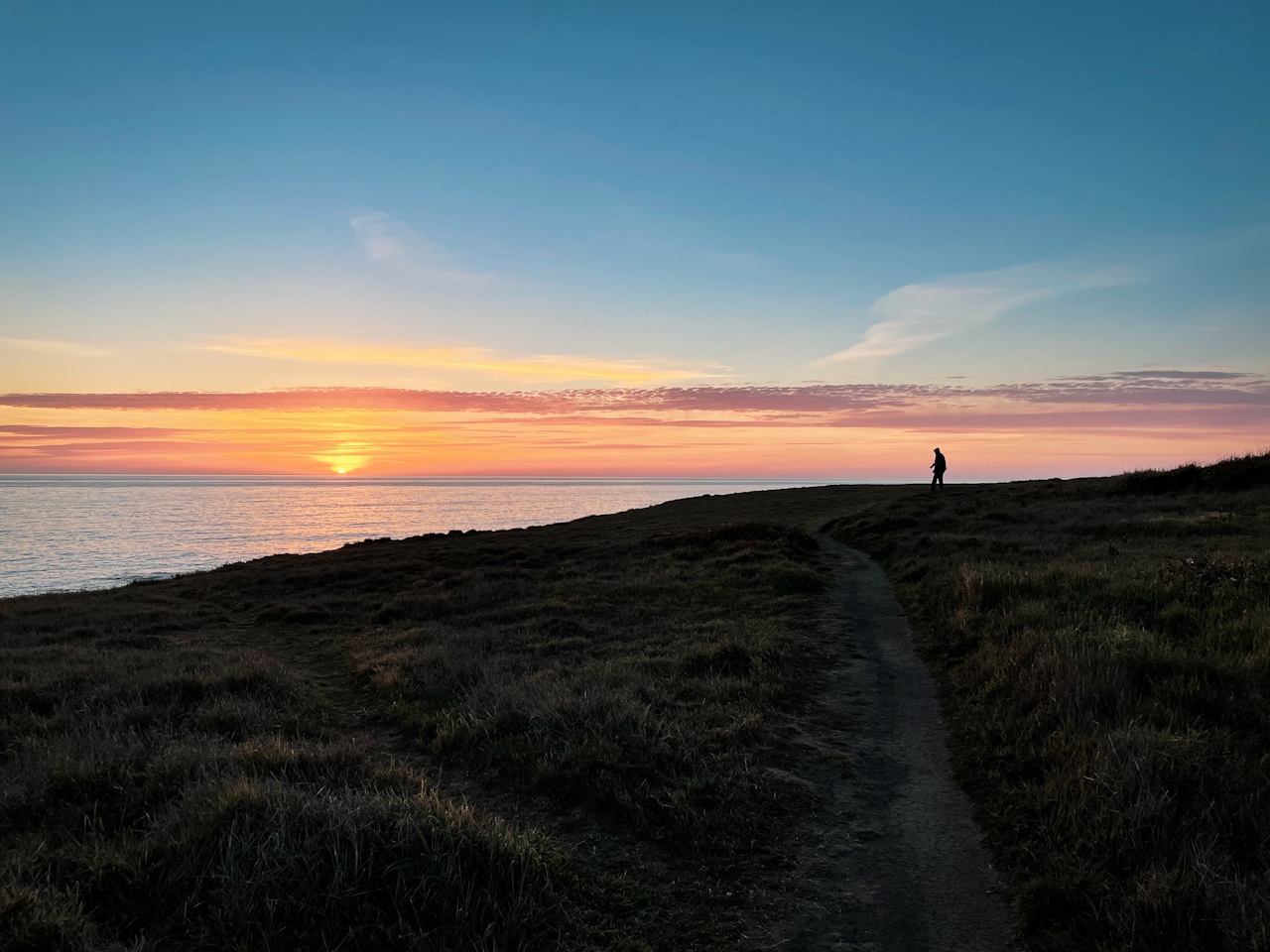
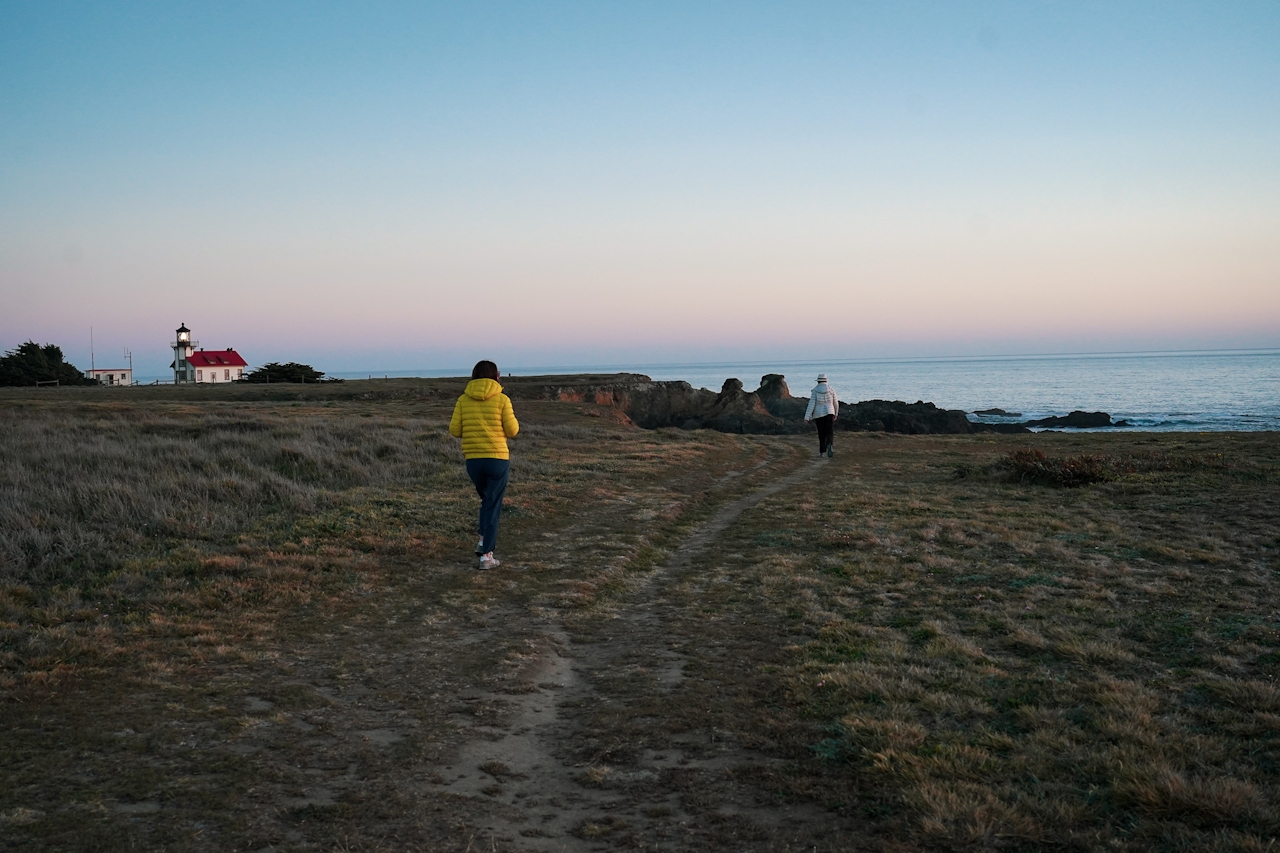
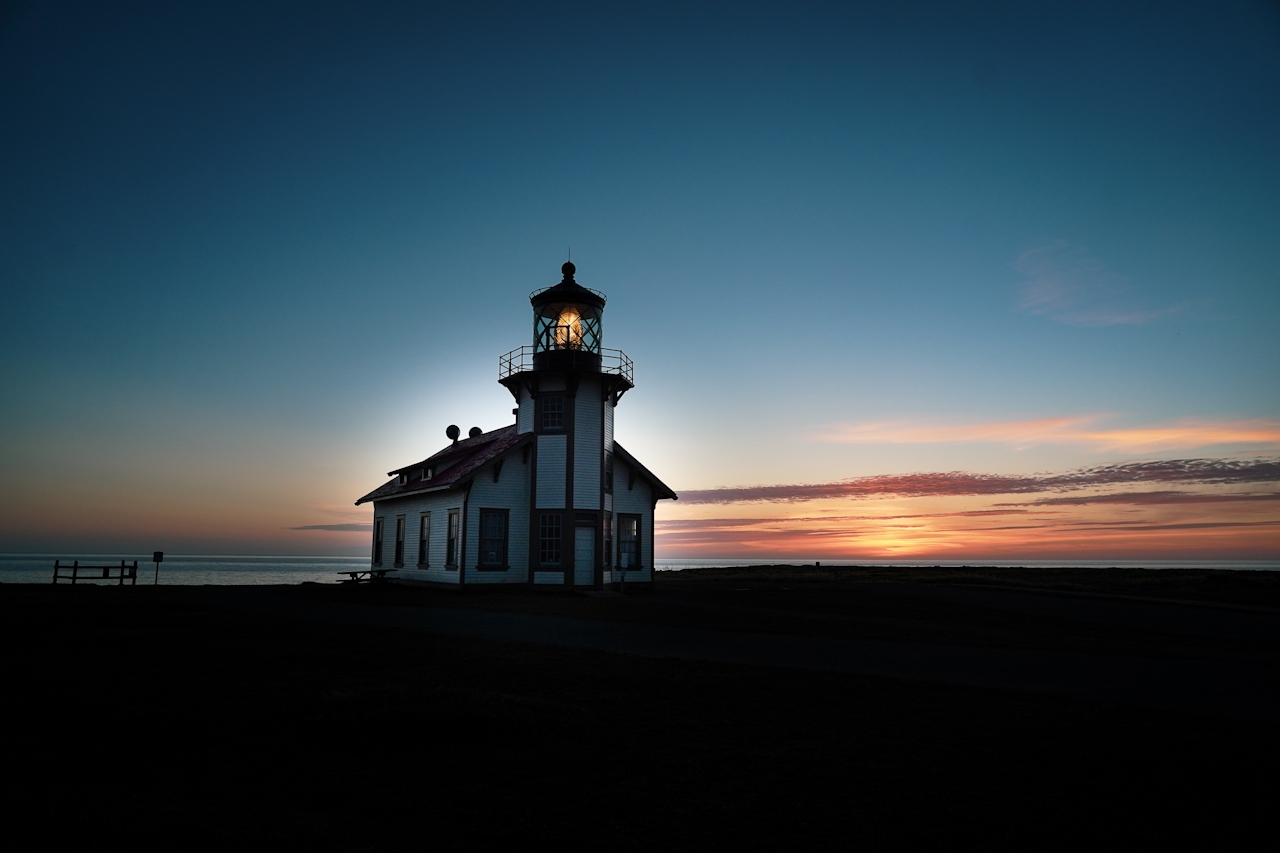
One of the most beautiful places for combining sunsets and whale watching is Mendocino’s Point Cabrillo Light Station. Perched at the tip of headland and surrounded by 30 acres of open space, the restored lighthouse has a crowning glory beyond its sweeping Pacific views. Its 6,800-pound original Chance Brothers classic Fresnel lens produces a flash every 10 seconds. From the main parking area, it’s a half-mile walk to the paved road that opens to vast coastal prairie and grassland. The light station sits straight ahead backed by the ocean. Spur paths go off in all directions along the bluffs, with excellent vantages for spying gray whales.
TIP: Watch this video story about whale migration and strandings.
Underwater Forest Life
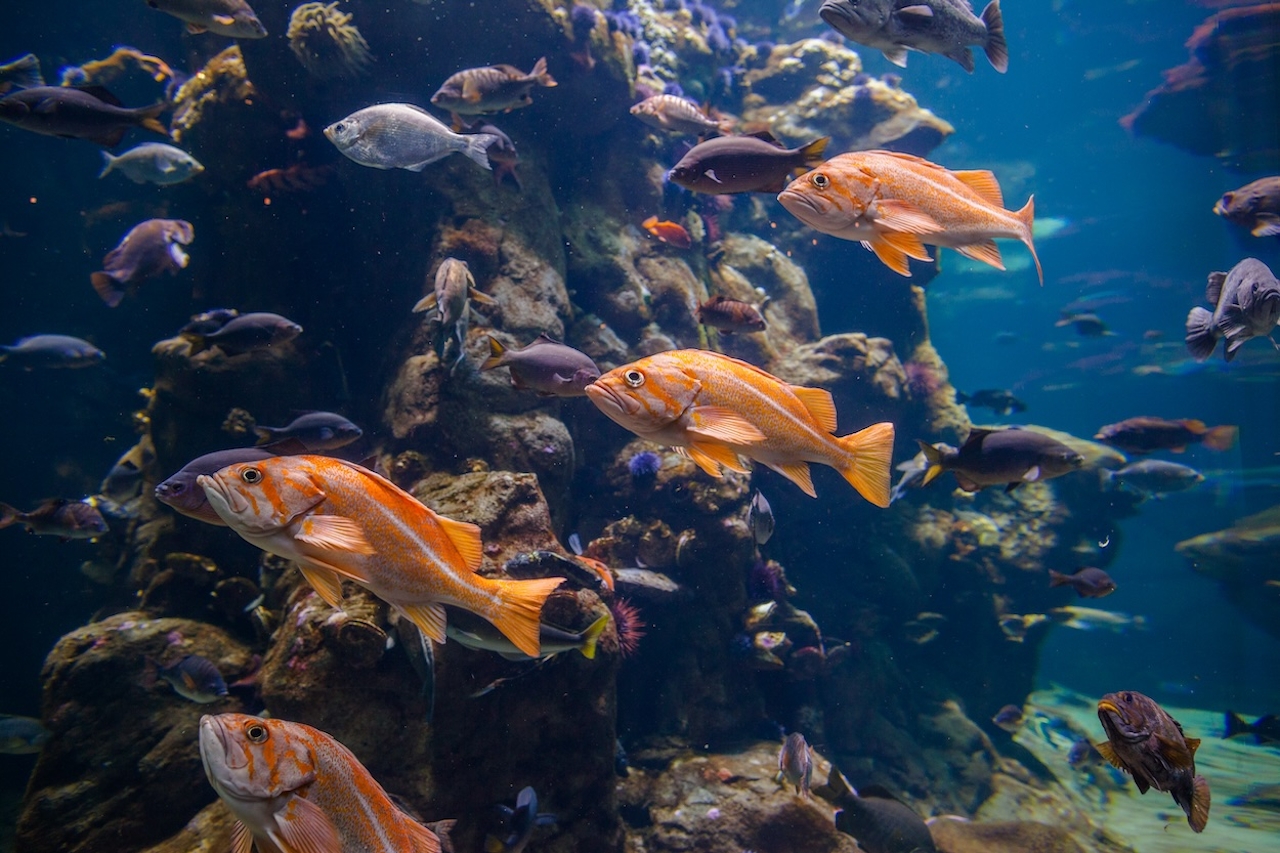
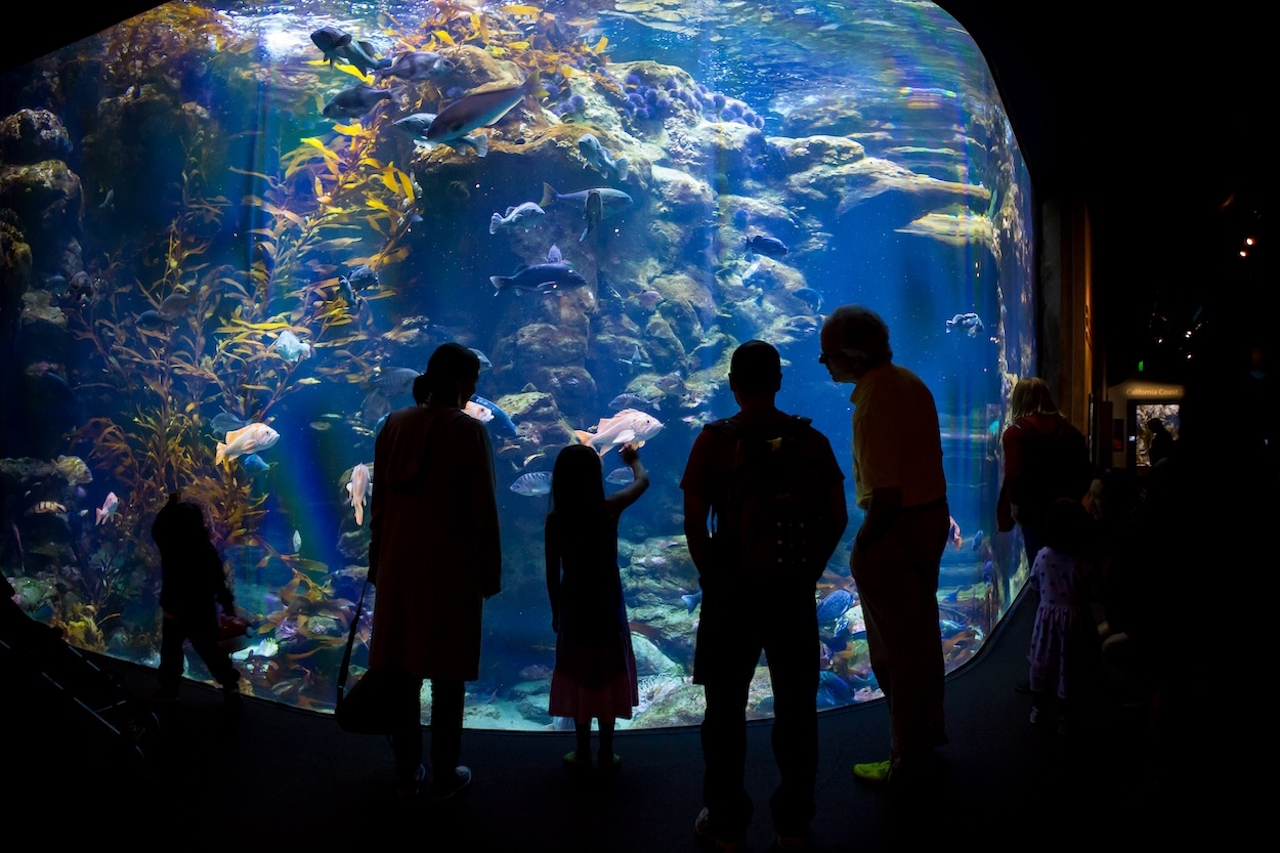
Immerse yourself in the grandness of kelp forests at the California Academy of Sciences’s Steinhart Aquarium, where the 100,000-gallon California Coast exhibit showcases the myriad life thriving among the productive fronds. It’s mesmerizing and meditative to watch colorful Garibaldis and the giant Pacific octopus glide among the kelp.
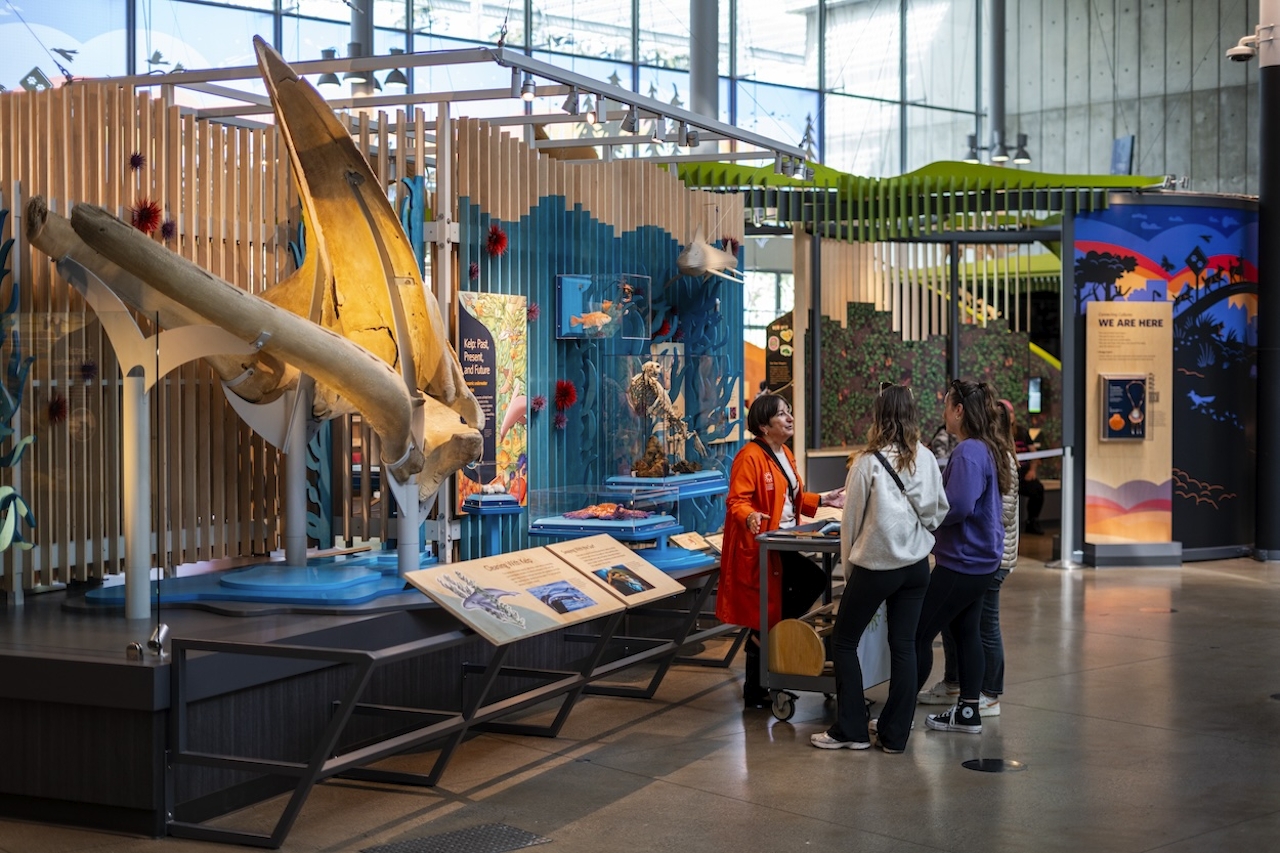
The Tidepool Explorer station is a great way to get involved in community science: you can find out the ways in which you can help protect California’s coastal environments.
Extend your kelp forest appreciation at the new California: State of Nature exhibition, where you’ll discover how the vital ecosystem helps sequester carbon while providing a healthy habitat for its species.
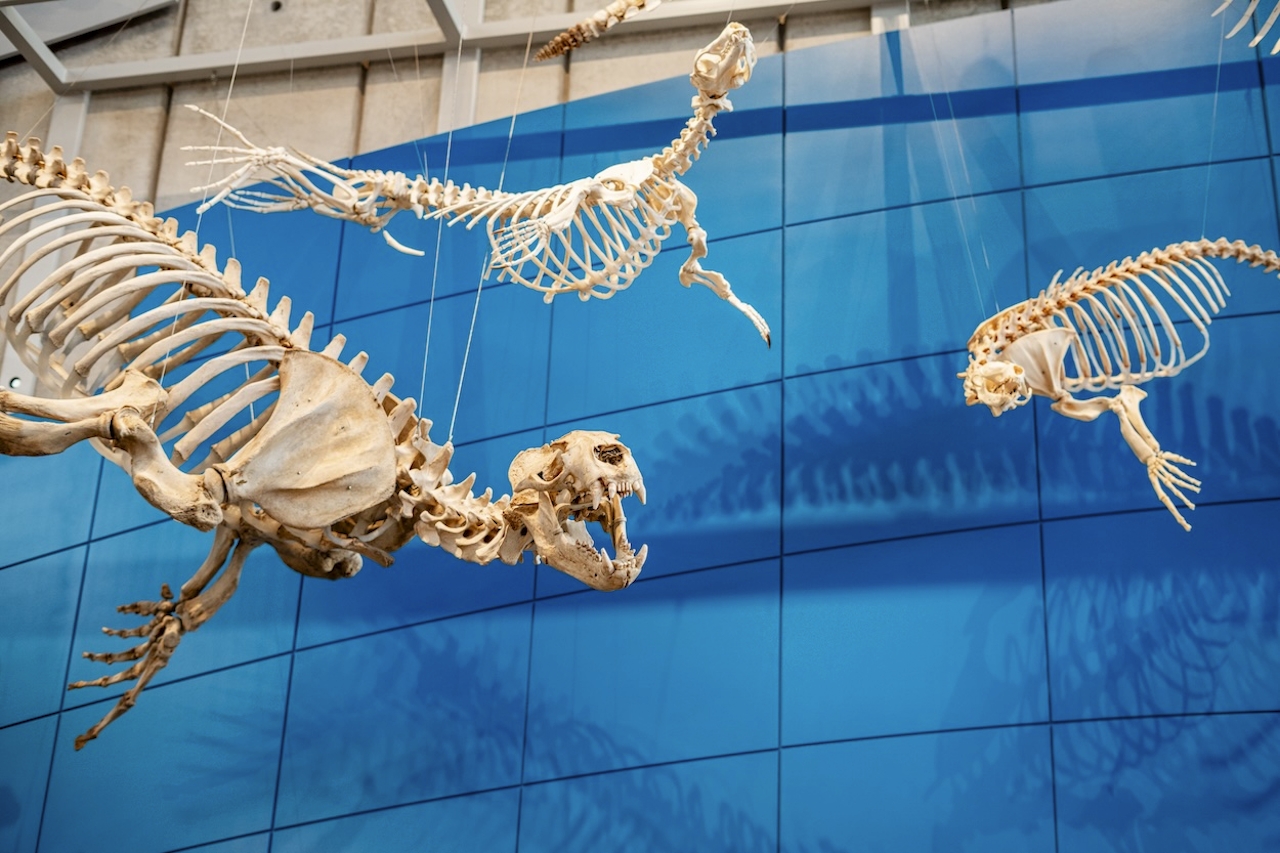
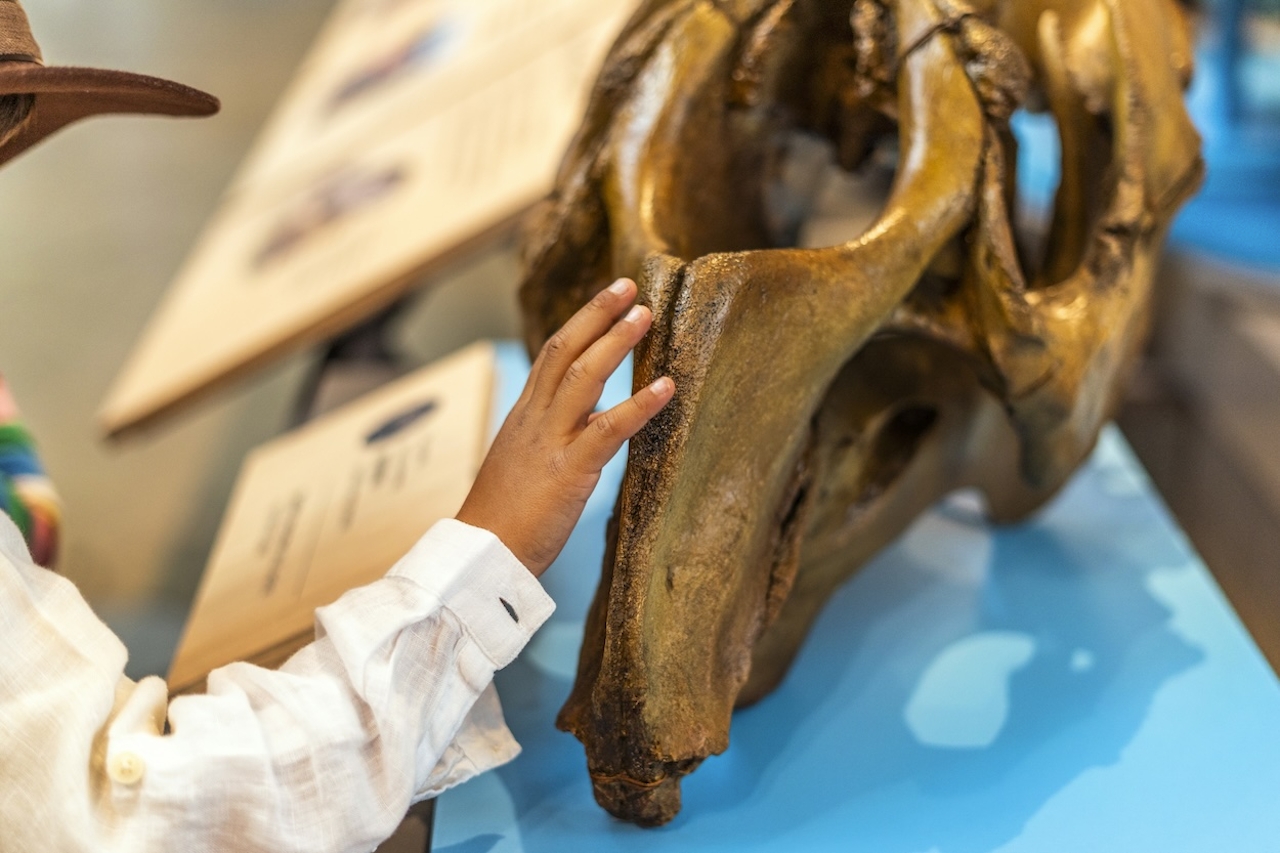
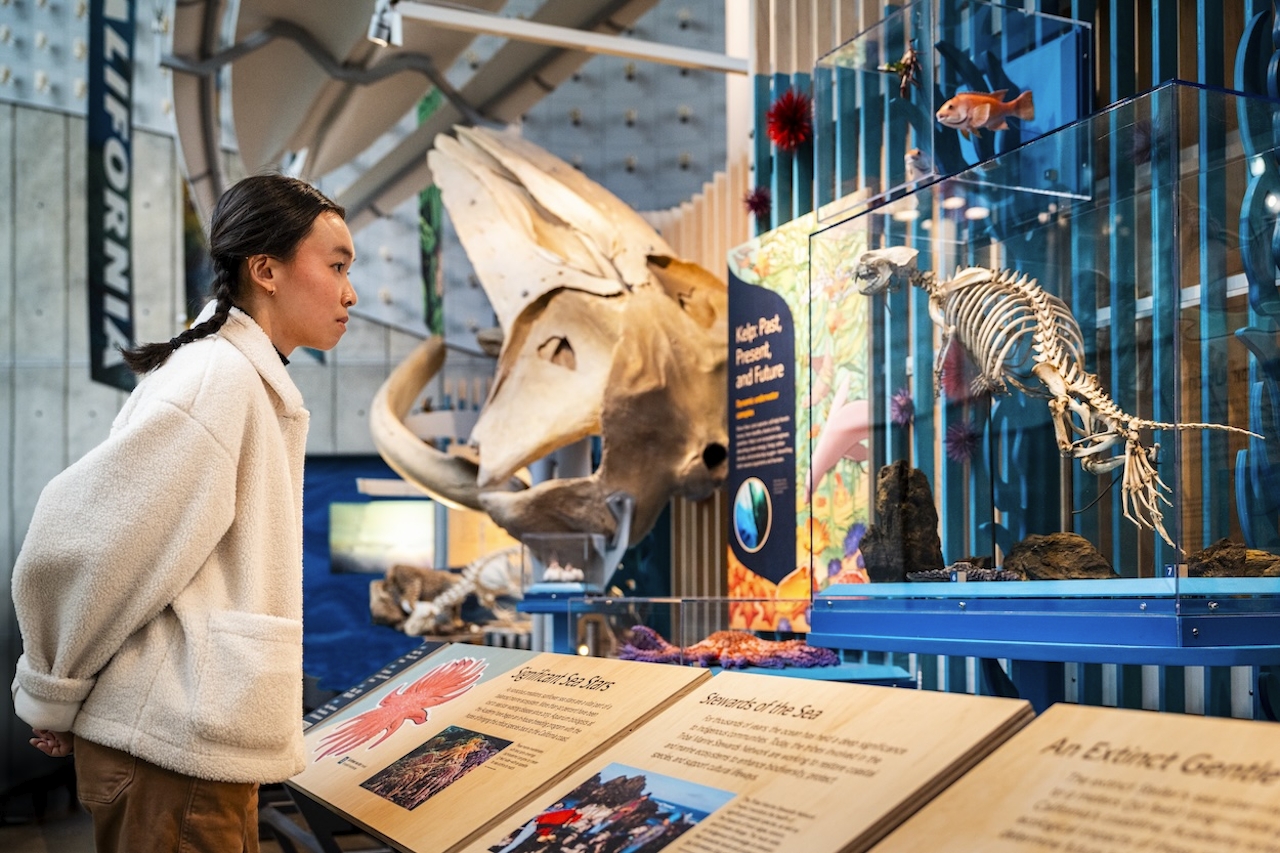
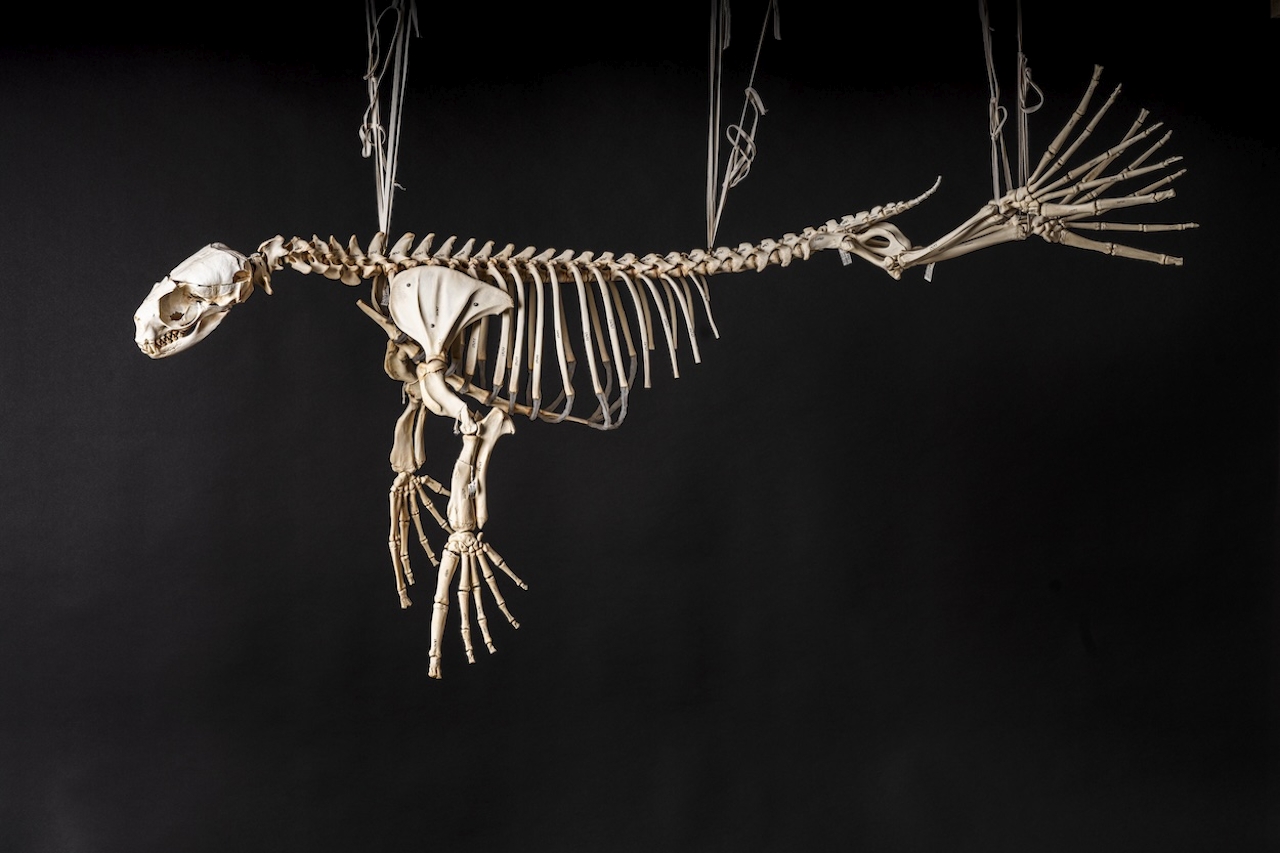
See a sea otter skeleton and the skull of a humpback whale while learning how all of these species depend upon and also give back to the underwater forests in a symbiosis. Touch a two-foot-long model of a Steller’s sea cow skull and learn how this extinct herbivore is inspiring future kelp restoration strategies.
See the New Exhibit, California: State of Nature
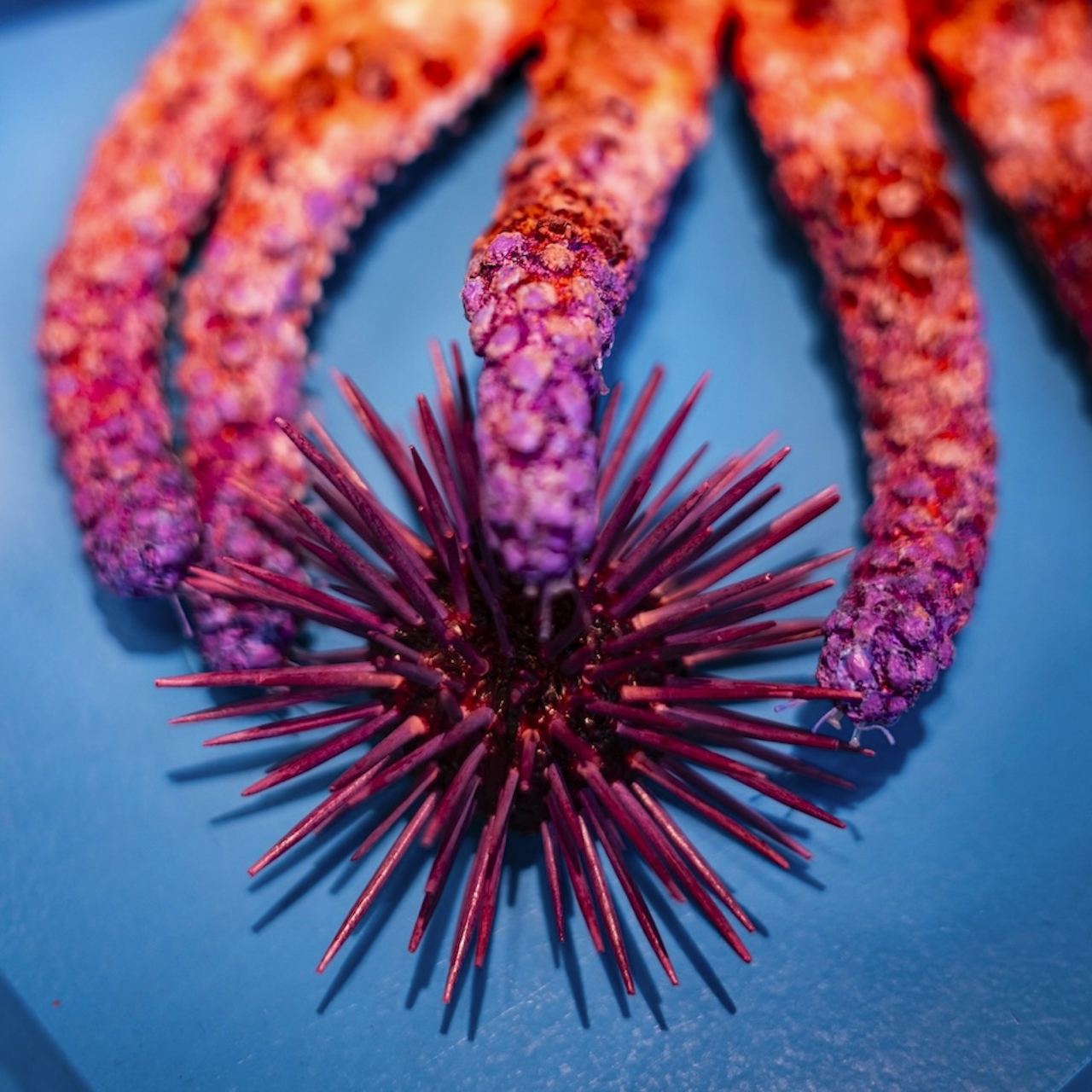
You’ll be starstruck by a model of the massive sunflower sea star, a primary predator in coastal areas with an important role in ensuring that kelp-eating urchins don’t proliferate. However, the sunflower sea star is endangered by a mysterious sea star wasting disease. At the exhibition you can watch a video to learn how the California Academy of Sciences and various partners across the state are working to bring this species back from the brink.
Summer Solstice Bonus: Participate in the Coastal Sea Star Search on June 20! Sunflower stars are vital within California’s kelp forests, and they’re hard to find, but not impossible! One was spotted just this past April in Mendocino. Help the Academy find more!
Help California Academy of Sciences and their partners gather and document information on your own or at a Bioblitz event near you. Bioblitzes bring together scientists, land managers, and other organizations and individuals (including you!) to look for and identify multiple species in nature. This helps document lists of species and provides valuable data for researchers on the amazing diversity of the Bay Area’s coastal environs. Find an upcoming Bioblitz event to participate in!
Now Take It Outside!
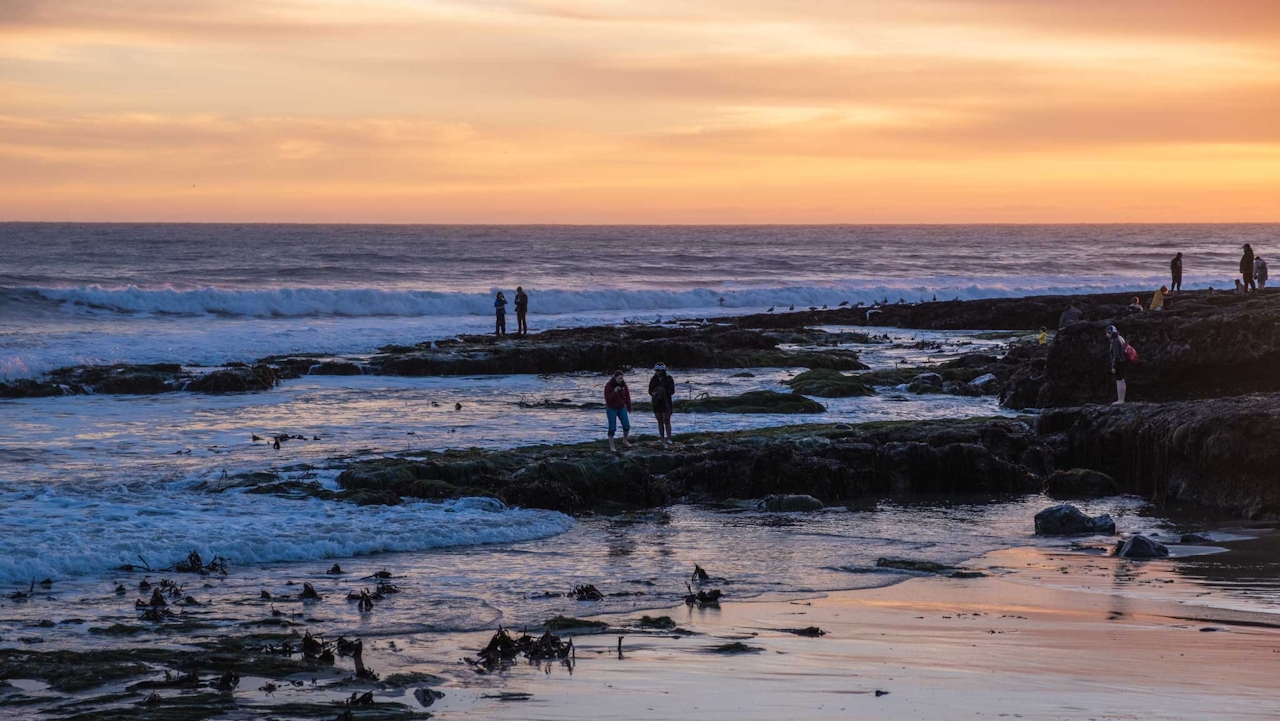
Some of the best tidepooling opportunities for spotting sea stars, colorful sea slugs, and more happen at Natural Bridges State Beach in Santa Cruz. The beach is home to—what else—a very photogenic natural arch, but it’s also a prime spot for intertidal discoveries.
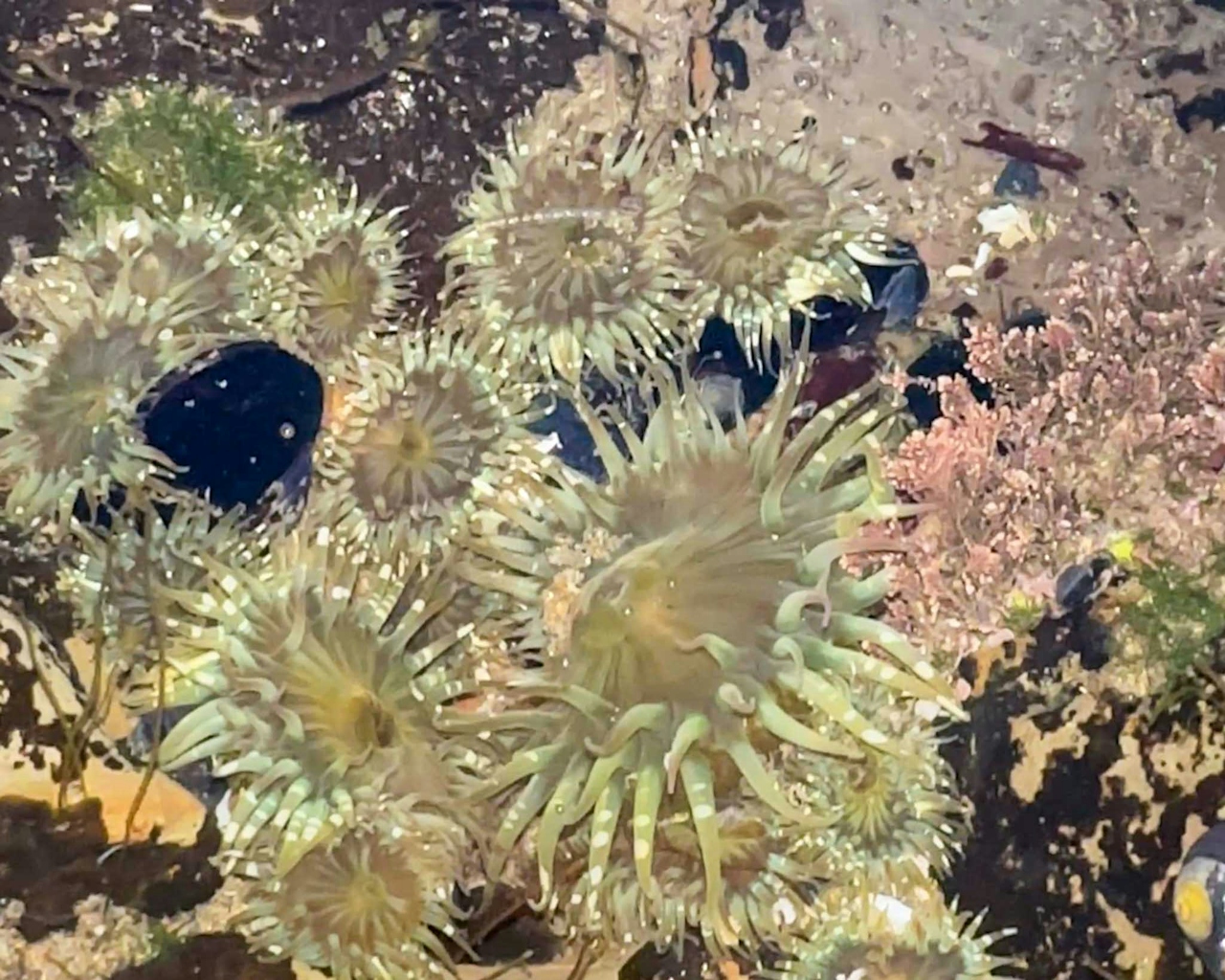
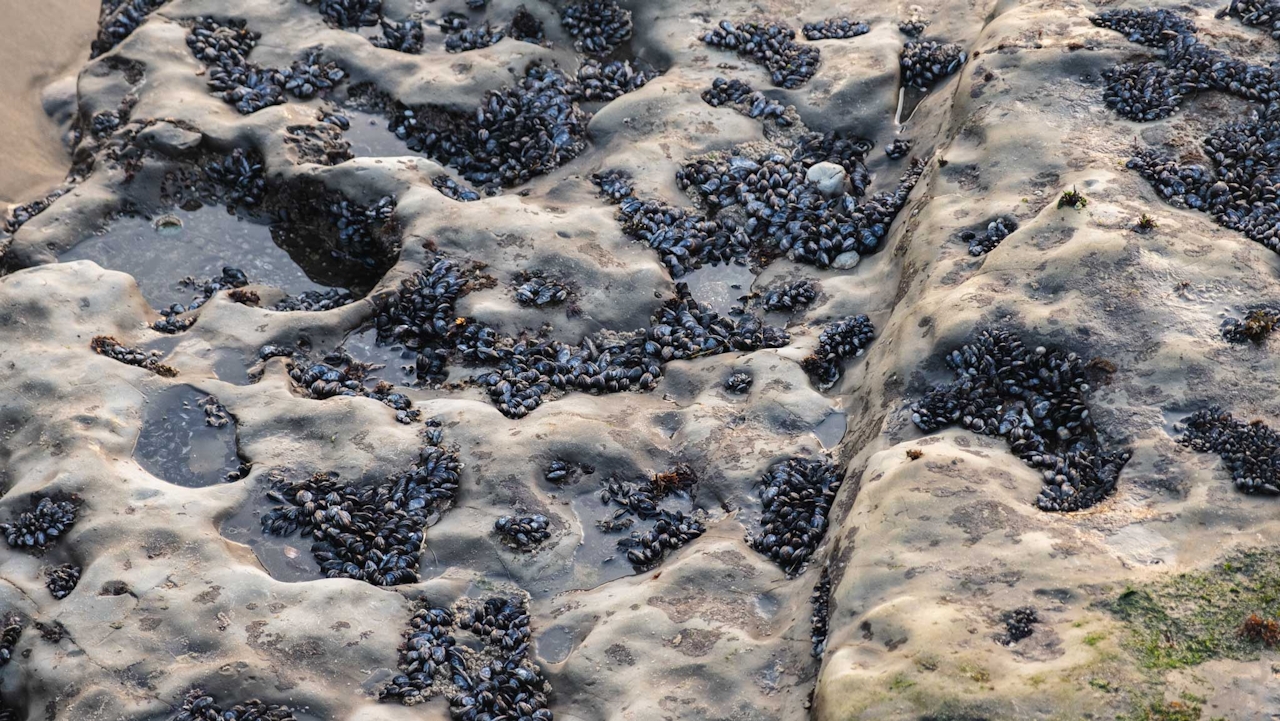
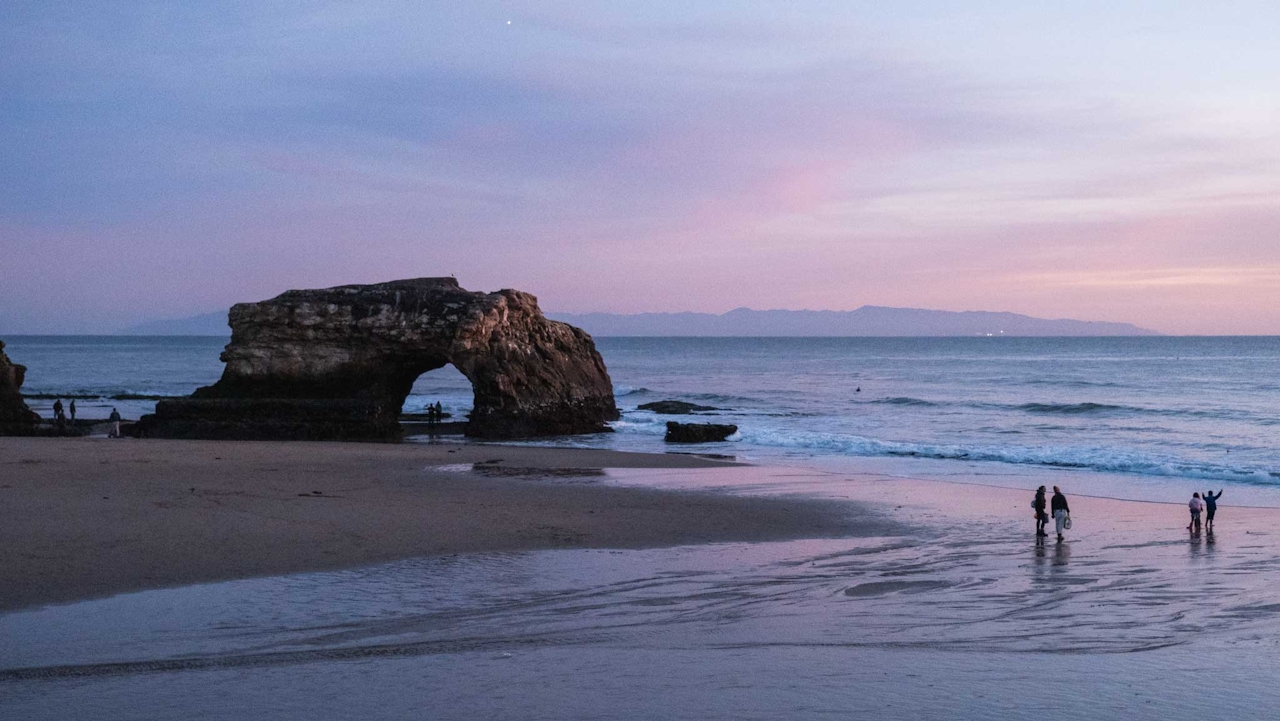
At low tide try exploring the tidepools along the rocky cliffside on the right flank of the beach (map). Look for the vibrant flower-like sea anemones; these fascinating coastal creatures have soft bodies that provide shelter for small fish, crabs and shrimp during high tide. Sea stars and mussels are also tidepool regulars. As this wildlife is protected, please be sure to observe and admire without touching or picking up the marine life.
Lounging Sea Lions & the Comeback Species
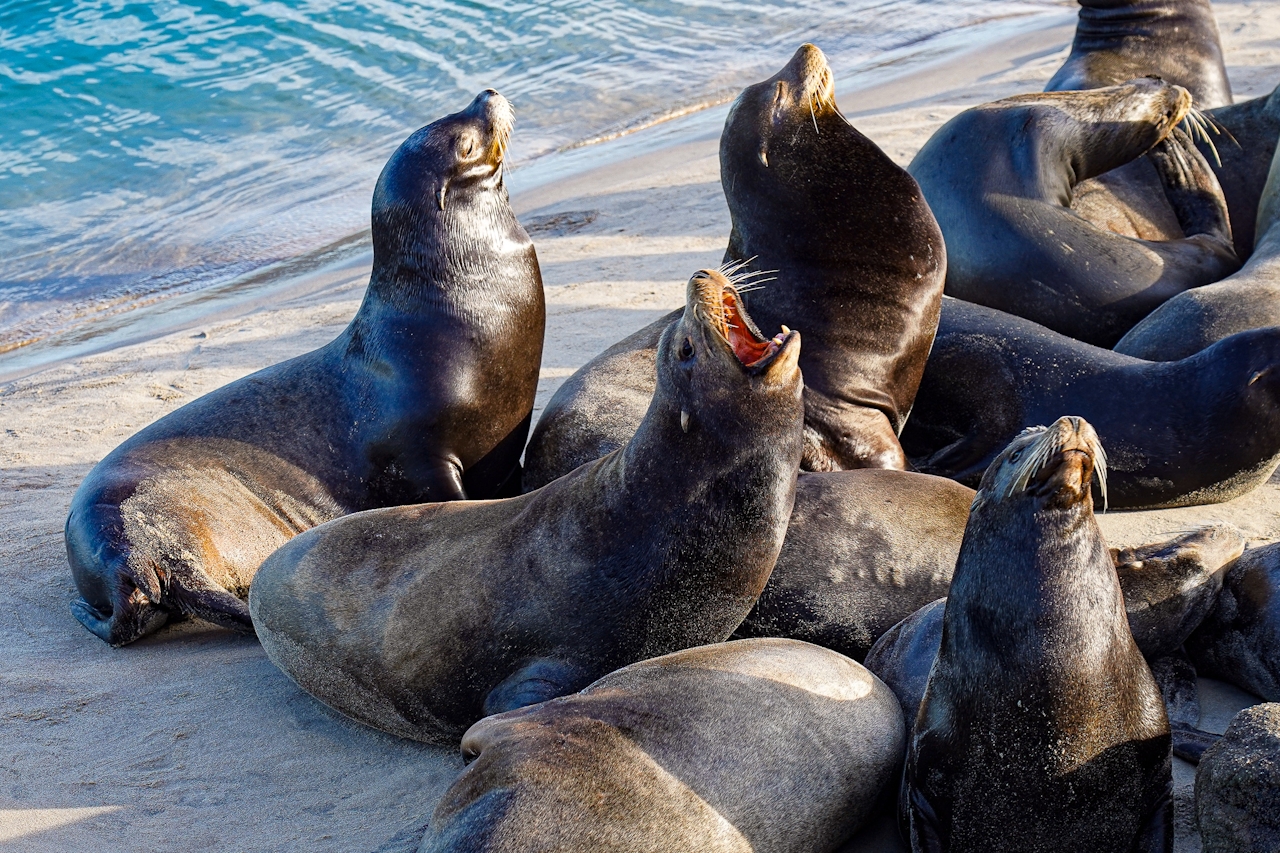
No, we’re not talking about the name of a new band. However, you can enjoy the cacophony of hungry sea lions when wandering through California Academy of Sciences’s engaging new exhibition, California: State of Nature. Touch a Pacific herring cast in the coastal section of the exhibition and it activates audio of hungry sea lions.
Spend some time connecting with the San Francisco Bay’s unique ecology. Discover how Café Ohlone is carrying forth the Ohlone tradition of gathering salt from the bay, and harness some hope by learning about the comeback of native species like the Olympia oyster, harbor porpoise, and bat ray!
Now Take It Outside
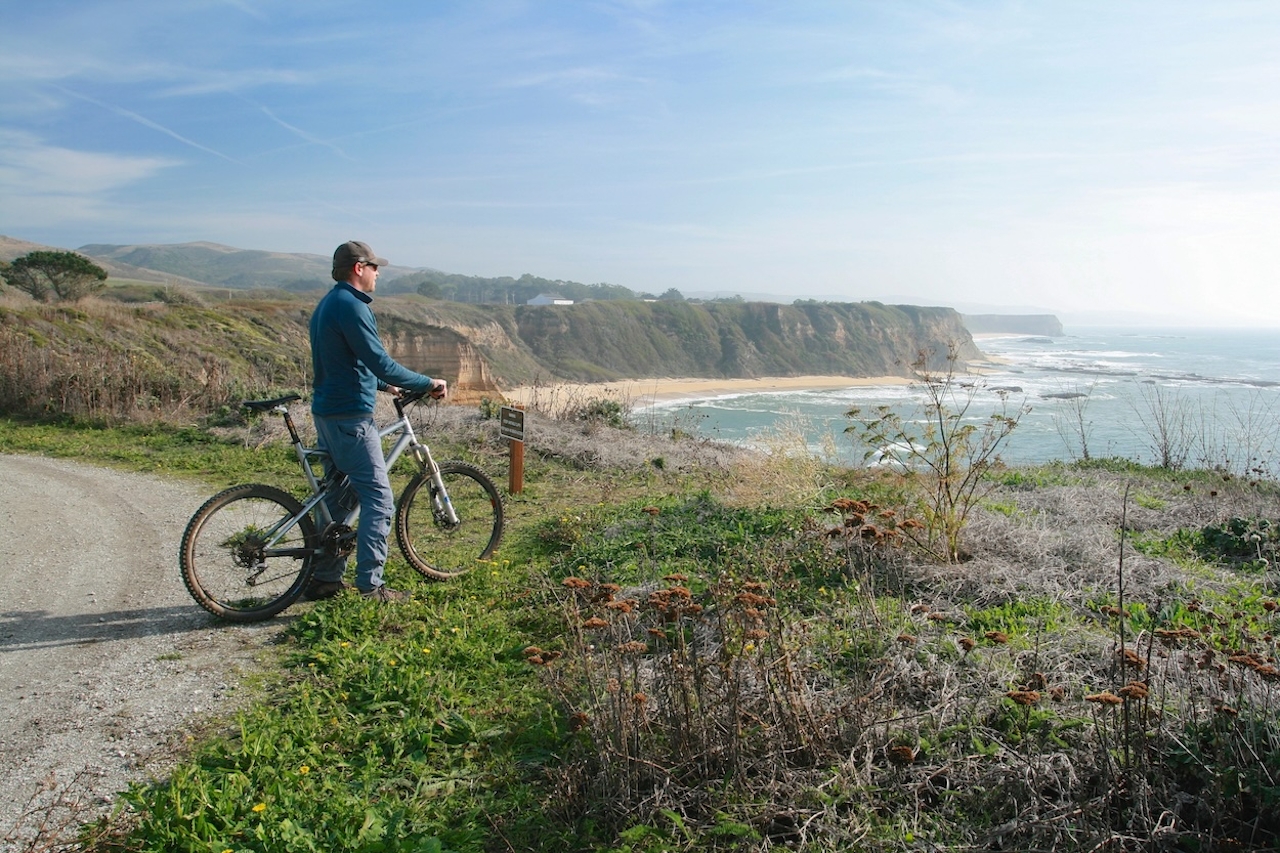
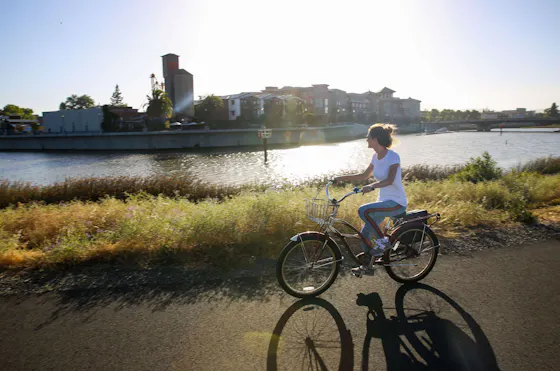
Explore some of California’s coastal connections on an easy bike ride. The Cowell-Purisima Trail in Half Moon Bay stretches for 3 miles along high coastal bluffs. The Peninsula Open Space Trust and State Coastal Conservancy put in a 25-year effort to secure this open space for the public.
Pedaling along the wide gravel and dirt trail, you’ll have big views of rolling farmland to the east and the Pacific to the west. Keep an eye out for harbor seals swimming or lounging on the rocks, as giant brown pelicans cruise overhead. The trail is mostly flat, with one up-and-down section at Purisima Creek, which was home to an Ohlone Village thousands of years ago.

In Southern California, Channel Islands Harbor in Oxnard (Ventura County) is a fantastic place to witness a cacophonous gathering of sea lions. For an almost guaranteed viewing, head to Channel View Park, where they commonly hang out. Tip: Please remember to keep wildlife (and yourself!) safe by admiring the sea lions from a respectful distance.